


A home is more than just walls and a roof; it is a living environment that influences our moods, habits, and overall health. While most people think of obvious spaces like the living room or bedroom when considering comfort and wellness, it is often the less visible corners that have the deepest impact on our daily sense of ease and vitality.
These quiet, overlooked areas silently shape the rhythms of our routines, supporting mental clarity, physical health, and emotional balance. Understanding how these hidden corners contribute to well-being can inspire small changes that make an entire household more nurturing and supportive.
Elevating the Personal Oasis of the Bathroom
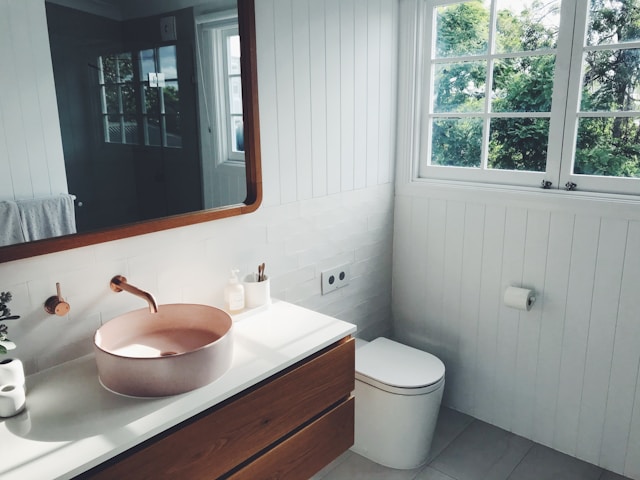
Among the most powerful yet understated areas is the bathroom, a place where we begin and end each day. This room plays an essential role in establishing a sense of calm and readiness, and thoughtful design can dramatically enhance everyday life. Adequate ventilation and natural light help maintain air quality and prevent dampness, while soothing color palettes promote relaxation.
Even details like soft towels and organized storage create subtle psychological comfort. For anyone considering a deeper transformation, a carefully planned bathroom remodeling project can subtly introduce improved fixtures or energy-efficient lighting that elevate both the atmosphere and the functionality of the space. In this way, the bathroom truly serves as a private retreat and a cornerstone of personal care and mental refreshment.
The Silent Influence of Entryways
The entrance of a home often receives little attention beyond its functional purpose, yet it sets the emotional tone the moment someone crosses the threshold. A cluttered, dimly lit entry can create a sense of unease, while an organized and welcoming one provides a subconscious signal of order and security.
A small bench for shoes, hooks for coats, or a mirror to reflect light can transform this space into a transition zone that eases the stress of moving between the outside world and the personal sanctuary within. The entryway shapes first impressions not only for visitors but also for the residents returning home each day.
The Understated Power of Hallways
Hallways are typically treated as mere passages, but they hold potential to influence mood and flow. Narrow or dark corridors can feel confining, while well-lit and thoughtfully decorated hallways can subtly lift the spirit.
Incorporating gentle lighting or artwork brings character to these transitional spaces, ensuring that even brief moments spent here are infused with a sense of warmth. Strategic design can also guide movement and improve functionality, creating an intuitive sense of connection between different rooms.
Nooks for Reflection and Creativity
Many homes have small, often neglected nooks—those awkward corners under staircases, alcoves near windows, or unused spaces beside bookshelves. With a touch of intention, these areas can become havens for reflection or bursts of creativity.
A comfortable chair and a small table can turn an empty corner into a quiet reading spot, while a writing desk or small easel can transform it into a creative station. These intimate retreats encourage mindfulness and provide a personal escape from the bustle of daily routines, reinforcing a sense of individuality within the larger home.
The Subtle Sanctuary of Closets and Storage Areas
Storage spaces and closets might seem purely utilitarian, yet their state of organization has a surprisingly strong effect on mental clarity. Disorganized closets can create low-level stress, making daily tasks such as dressing or tidying unnecessarily taxing. In contrast, a well-organized storage area promotes efficiency and reduces decision fatigue. Simple upgrades such as adjustable shelving, labeled bins, or dedicated compartments help maintain order and free up mental energy for more meaningful activities.
Kitchens Beyond Cooking
The kitchen is traditionally seen as the heart of a home, but its influence goes beyond the preparation of meals. It is a space where nourishment meets social connection, and its layout can profoundly shape daily habits.
Adequate counter space and thoughtful placement of appliances encourage healthier cooking practices, while open shelving or a dedicated breakfast nook invites family members to linger and share conversations. Natural lighting and a clean, clutter-free environment can also uplift the spirit, turning meal preparation into a soothing ritual rather than a rushed chore.
The Overlooked Utility Spaces
Laundry rooms, mudrooms, and other utility spaces are rarely given aesthetic attention, yet they are essential to the smooth functioning of a household. When designed with efficiency in mind—ample counter space for folding, sturdy hooks for hanging, and durable flooring—these rooms reduce the friction of daily chores. Adding small touches like warm lighting or decorative baskets can make these tasks feel less mechanical, subtly improving mood and encouraging a sense of accomplishment.
The Restorative Potential of Outdoor Edges
If a home includes outdoor areas such as balconies, small patios, or even a modest garden edge, these spaces can serve as restorative retreats. A few potted plants, comfortable seating, or a wind chime can transform an otherwise overlooked exterior corner into a personal sanctuary. Exposure to natural light and fresh air supports mental health, reduces stress, and fosters a stronger connection to the rhythms of nature, even in the midst of a busy lifestyle.
Quiet Corners for Digital Detox
In an era where screens dominate work and leisure, dedicating a small, tech-free corner for digital detox can be life-changing. A cozy chair, soft lighting, and perhaps a small shelf of favorite books create a space where the mind can reset. This intentional separation from digital noise allows for deeper relaxation and helps establish healthier boundaries between the demands of the outside world and the peace of the home environment.
How These Hidden Corners Work Together
Each of these often-ignored areas—bathrooms, hallways, nooks, and beyond—contributes in its own way to the fabric of daily well-being. They influence not only physical comfort but also emotional resilience and mental clarity. By cultivating these spaces with thoughtful design and mindful attention, a home becomes more than just a shelter; it transforms into an active participant in personal health and happiness. The true magic lies in recognizing that even the quietest corners can profoundly shape the way we live and feel every single day.











Add Your Comment