


Transform Your Smile Without Metal Braces
For decades, the only path to straight teeth was paved with metal brackets and wires. While effective, traditional braces often came with discomfort, dietary restrictions, and a self-conscious smile during treatment. But times have changed. Today, people can choose a discreet alternative that blends seamlessly into everyday life. This modern solution offers the same end goal—a straighter, healthier smile—without the drawbacks of metal. At the heart of this shift is Invisalign, a system designed to make the journey toward confident teeth far less noticeable.
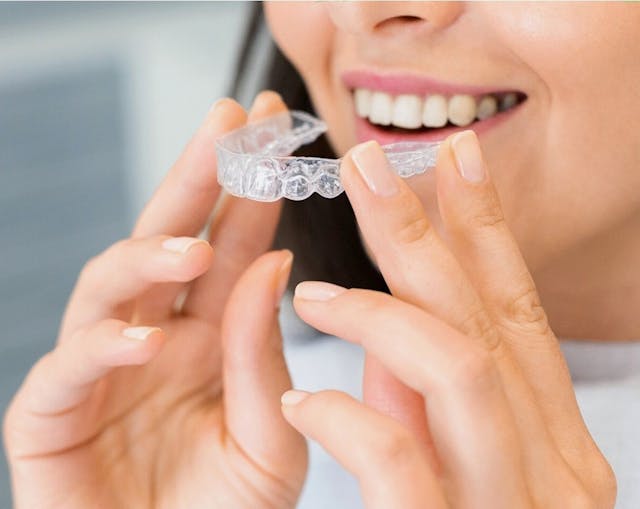
The Rise Of Clear Aligners
Clear aligners have become more than just a trend—they’re now a trusted method for orthodontic care across the globe. Unlike braces, which are fixed in place, aligners are removable. This flexibility allows patients to continue eating their favorite foods and brushing their teeth without navigating around wires.
The appeal lies not only in the aesthetics but also in the convenience. Appointments are often shorter and less invasive, as there’s no need for adjustments with pliers or tightening sessions. The smooth, transparent trays also reduce the risk of mouth sores caused by brackets rubbing against the inside of the lips and cheeks.
How Clear Aligners Work
The process starts with a digital scan of your teeth. From there, orthodontists or dental specialists design a series of trays that gradually guide your teeth into better alignment. Each set is worn for about one to two weeks before progressing to the next. Over time, small changes add up to big results.
The treatment relies on consistency. Patients are usually asked to wear aligners for 20–22 hours a day, only removing them for meals and cleaning. With discipline, this routine becomes second nature and ensures the best results.
Advantages Beyond Appearance
Straight teeth are about more than looks. Proper alignment can improve oral health by making it easier to clean between teeth and reducing uneven wear on enamel. In some cases, correcting bite issues can even ease jaw discomfort or prevent long-term dental complications.
By choosing clear aligners, patients not only enjoy an improved smile but also invest in better oral function. It’s a treatment that blends aesthetics with health benefits, making it more than just a cosmetic choice.
Living With Clear Aligners
One of the biggest questions people have is whether aligners disrupt daily life. The truth is, they’re designed to fit around routines rather than interrupt them. Most users adapt quickly, finding that speaking, working, and socializing remain comfortable and natural.
The responsibility of removing them before meals can feel like an adjustment at first, but many view it as a small trade-off for the freedom to eat popcorn, nuts, or chewy foods—things braces often prohibit. Keeping up with oral hygiene is also simpler, since brushing and flossing can be done normally without threading around wires.
Are Clear Aligners Right For Everyone?
While they work for many cases, clear aligners aren’t always the perfect solution for every dental need. Severe bite problems or complex rotations may still require traditional orthodontic methods. That’s why an initial consultation is essential. A qualified dentist or orthodontist can assess whether clear aligners will deliver the expected results or if another approach is better suited.
Conclusion
Modern dentistry has opened the door to straighter teeth without the challenges of metal braces. Clear aligners make the process discreet, comfortable, and adaptable to everyday life, offering both cosmetic and health benefits in one treatment plan. While not suitable for every case, they remain a game-changing option for many.
If you’re exploring this path, it’s worth discussing with a trusted dental provider who can guide you based on your unique needs. Clinics such as Nuffield Dental have professionals who understand both the technical and personal sides of orthodontic care, helping patients take the first confident step toward a transformed smile.
FAQs About Clear Aligners
How long does treatment usually take?
On average, treatment can last anywhere from 6 months to 2 years, depending on the complexity of the case.
Are clear aligners painful?
They can cause mild pressure when switching to a new tray, but this discomfort is usually temporary and much less intense than tightening braces.
Can teens use clear aligners?
Yes, many providers offer versions designed specifically for teenagers, complete with compliance indicators to track wear time.
How much maintenance do aligners require?
Aligners should be cleaned daily with lukewarm water and a gentle brush. Avoid hot water, as it can warp the trays.
Do aligners work as well as braces?
For mild to moderate misalignments, they can be just as effective. For more complex cases, braces may still be the better choice, which is why professional advice matters.











Add Your Comment