


Caring for children during times of illness can be challenging for any caregiver. Knowing how to treat everyday kid sicknesses at home really helps them feel good and get better fast. When you’re helping kids through these rough patches, you’ll get solid tips and a dose of calm here.
Understanding Common Illnesses
Many children face similar health issues, such as colds, stomach bugs, and minor injuries. Acquiring the skill to recognize and effectively address these specific challenges profoundly reduces the emotional strain on both the young individual and their primary caretaker. If you catch issues right away, you’ll find relief sooner and skip more serious trouble. However, seeking pediatric primary care is necessary if your child’s health needs professional attention.
Colds and Flu
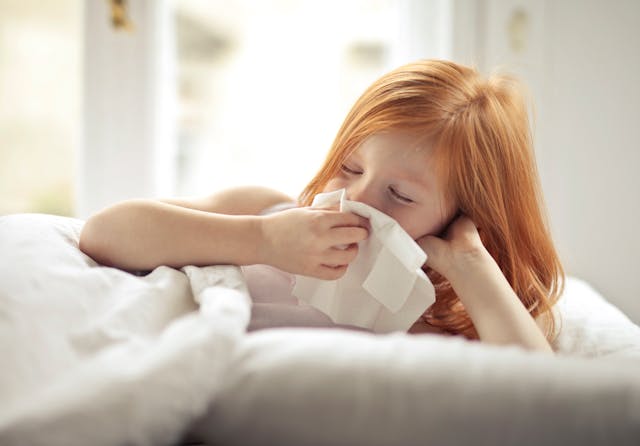
Colds and flu are frequent visitors in households with children. You’ll often get a runny nose. A cough and a mild fever usually follow. Adequate recuperation remains indispensable at this juncture. A cozy spot and lots of water or broth can really speed up healing. Sore throats feel much better with warm soup or a hot herbal tea. Using a humidifier may ease breathing difficulties by adding moisture to the air.
Stomach Aches and Digestion Issues
Children often experience stomach aches due to various reasons, including dietary changes or mild infections. We can’t just guess at a fix. Finding the root cause lets us give you the proper solution. Simple home remedies like ginger tea or peppermint can ease discomfort. Encouraging the child to rest and drink clear fluids can prevent dehydration. Introducing bland foods slowly can help the digestive system recover.
Minor Cuts and Scrapes
Active play often leads to minor injuries. Treating these promptly can prevent infection. Cleaning the wound with mild soap and water is the first step. Applying an antiseptic and covering it with a bandage keeps it protected. Watching for redness or swelling during healing helps you react quickly if an infection starts.
Fever Management
Your body often fires up a fever when it battles an infection. You might worry, but your body is actually battling the sickness. A quick check of your child’s temperature can tell you so much. Offering plenty of fluids and lightweight clothing can help regulate body heat. Over-the-counter medications may be used if recommended by a healthcare professional.
Ear Infections
Ear infections can cause significant discomfort. They often follow a cold and may lead to pain and irritability. Warm compresses can offer temporary relief. Observing the child for any changes in behavior or persistent symptoms is key. Consulting with a healthcare provider ensures appropriate treatment if needed.
Allergic Reactions
Children may experience allergies to food, pollen, or pets. Grasping the specific stimuli that provoke a reaction enables better command over one’s behavioral output. Writing down your symptoms and what might cause them helps a lot. When symptoms flare up, grab an antihistamine. But if things get serious, you absolutely need a doctor’s advice.
Promoting a Healthy Environment
Stopping illnesses often starts with a healthy place to live. Regular handwashing and cleaning can reduce the spread of germs. Encouraging outdoor play and balanced meals supports a strong immune system. You’ll find that truly listening when your kids share their feelings or explain what hurts them really helps everyone connect and get on the same page.
When to Seek Professional Help
While many conditions can be managed at home, knowing when to seek medical advice is crucial. Persistent high fever, severe pain, or unusual symptoms require professional evaluation. You make the best choices when you trust your gut and truly understand how your child usually acts.
Building a Support Network
Rough patches are easier to handle with friends, family, and medical staff giving you solid backup. Hearing someone’s story or getting their advice can really settle your nerves. Help children voice their thoughts; it creates a deeper connection with you.
Conclusion
It’s tough when your kids get sick at home. You’ll definitely need a lot of patience, understanding what they’re feeling, and some items prepared. You’ll give excellent care by spotting symptoms, using easy remedies, and knowing exactly when to ask for more help. When kids feel truly cared for, they bounce back better and get their confidence right back. When you care for a child, you mend their bumps and bruises. You also comfort their feelings and help them feel strong inside.










Add Your Comment