


After a few miles, even the best-paced hike can take a toll. Sure, good shoes and steady steps help—but if your body isn’t supported, fatigue creeps in faster than you expect. That’s where hiking poles can quietly change everything.
They ease pressure on your joints, improve your balance, and help your muscles stay fresher, longer. Yet many hikers skip them, thinking they’re unnecessary. This article aims to change that view. Below, you’ll find a better understanding of what these tools can do and why most people don’t appreciate them until they use a pair.
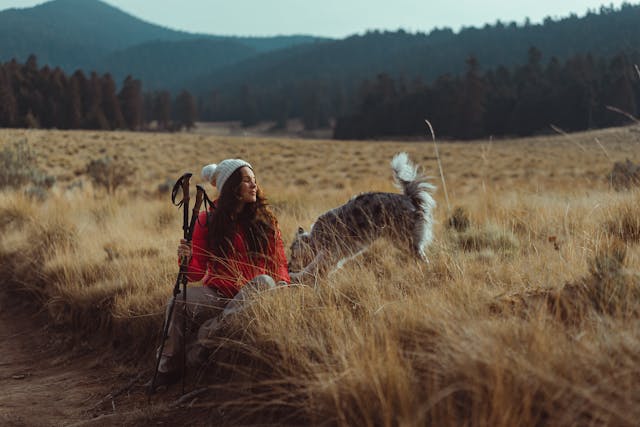
Continue reading!
Why Hikers Often Skip Poles
Poles tend to get a bad reputation. Many people assume they’re only for intense backcountry trails or hikers with knee issues. Some feel like they’re just extra gear to carry. Others think they don’t “need” them because their routes aren’t hard enough.
It’s a common mindset, especially among younger hikers or beginners. There’s a belief that if your legs work, why add tools? But hiking isn’t just about walking. It’s about how your body handles the long stretch, the changing terrain, and the downhill pulls that quietly wear you down.
Most people also skip these tools because they’ve never experienced the difference with them. And without that firsthand feel, it’s easy to assume they don’t help. But they do, often more than expected.
What Hiking Poles Actually Do
These tools do more than provide support. They change how pressure is distributed across your body. When going downhill, they reduce the strain on your knees and ankles by letting your arms carry part of the load. That extra support becomes especially helpful during longer or uneven treks.
Poles also improve balance. On narrow paths, rocky terrain, or muddy slopes, they help keep your footing steady. At the same time, they engage your upper body, making hiking a full-body movement—not just a leg workout. This helps prevent the slouched posture and leg fatigue that tend to build up over time.
They’re also great for pacing. The steady planting of the sticks sets a natural rhythm. It helps control your breath and allows you to hike more mindfully. There are even small but thoughtful features that add comfort.
For example, some brands offer hiking poles online with adjustable height for different trail angles. Others are foldable, lightweight, and come with soft-touch ergonomic grip tops. These features make long walks feel less taxing and help keep gear hassle-free when packed away.
What to Look for in a Good Pair
Not all poles are the same. The right set should feel like an extension of your own movement rather than something extra to handle. If you are thinking about trying them, pay attention to any features you might consider important in conjunction with your habits and comfort level.
You should consider:
- Lightweight materials such as aluminum or carbon fiber
- Adjustable height to accommodate different trails and body sizes
- Comfortable grips, preferably padded or ergonomic
- Durable tip for surfaces like gravel, dirt, or snow
- Shock absorption to add comfort on rocky or uneven paths
You can find quite an array online that includes many of these options. Just make certain they are for trail use and not for city walking. Also, go with reputable outdoor gear brands that have a good reputation for quality.
How to Get Used to Hiking With Them
If you’ve never used them before, they might feel a little awkward at first. But give it a few minutes, your body adjusts faster than you think. The key is to move naturally. You don’t need to overthink where the tools go. Just walk, and let your arms swing in rhythm with your legs.
Start by using them on flatter ground or short, familiar trails. Focus on syncing the stick with the opposite foot. This gives you balance without breaking stride. Most people find that after 10 or 15 minutes, it becomes second nature.
Also, don’t grip the handles too tightly. Keep your hands relaxed and let the straps support your wrists. Over time, they feel less like tools and more like part of your flow, especially when the terrain gets tricky.
Who Will Feel the Difference Most
These tools aren’t just for serious hikers or older folks. Anyone can benefit from them, whether you’re just doing a quick weekend hike or hitting a longer trail. You’ll feel the difference if you:
- Get sore knees or back after hiking
- Are getting back on your feet after an injury
- Need some extra support on slippery trails
Even if you just hike now and then, you might find that these tools help reduce aches and keep you steadier.
Closing Lines
Hiking poles might not seem essential at first. But once you try them, you start to wonder how you ever managed without. They’re one of those small tools that quietly change how you move, how long you last, and how good you feel afterward. If you haven’t given them a shot, it might be time to see what you’ve been missing.











Add Your Comment