


Shopping for a new table top sounds easy—until you actually start looking. There are so many styles, sizes, and materials that it’s hard to know what fits your space best. Should you go with wood or something more modern? Round or square? These choices can quickly feel confusing, especially if you’re trying to match what you already have at home.
The good news is, you don’t need to be an expert to make the right pick. This guide will walk you through simple steps to help you find a top that looks right and works for your everyday needs.
- Understand Your Home’s Visual Theme
Look around your room. What do you notice first? If your space has clean lines, white walls, or simple lighting, it likely leans toward a modern or minimal style. In that case, light wood or a smooth matte surface will fit right in. But if you see exposed beams, textured walls, or warm lighting, something more classic or rustic might feel better in the room.
For example, a farmhouse kitchen with wooden shelves and soft finishes would pair well with a table that has visible wood grain and a solid finish. Matching your furniture piece to the mood of the room helps everything feel more balanced.
- Pick a Material That Reflects Your Vibe
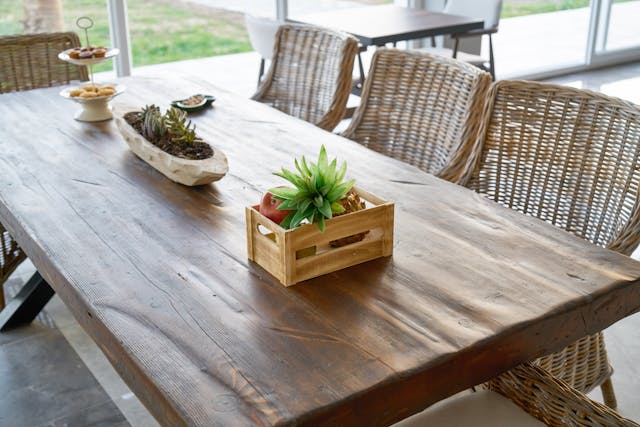
Once you know the tone of the room, choosing a material becomes easier. If you want something that works in many spaces, solid wood is a smart pick. It’s easy to clean, and it adds natural warmth. If you prefer something with a modern edge, try a wood and resin mix. These designs feel fresh but still offer the strength and texture of wood.
A handcrafted table top made with epoxy and hardwood can bring together both modern and traditional looks. These pieces are often chosen by homeowners who want something unique without going over the top. Choose a matte finish if you want a softer look or a smooth, polished finish for rooms that already feel sleek and bright.
When choosing your table top, don’t forget that the table legs play a crucial role in defining the overall look and stability of your furniture, helping tie your home’s style together seamlessly.
- Choose the Right Shape for Your Layout
Now that the material is sorted, think about how people move around the room. Round tables work well in tight or shared spaces. They don’t have corners, so people can walk by them easily. If your space is long or narrow, like an open kitchen or hallway dining area, a rectangle makes more sense. It uses space well and gives clear direction to the room.
Square surfaces sit nicely in rooms that are even on all sides. They help balance furniture and create a natural center point. For example, a square layout works great in a square breakfast nook. Always check how chairs will fit around the shape. There should be enough room to sit and move without bumping into walls or other furniture.
- Let Size Serve Both Form and Function
Before making any final pick, measure your space. This step is often skipped, but it can save you from buying something too big or too small. A table should give you space to move around comfortably. If your dining area is used daily, keep at least 30 inches of space around the table so chairs can pull out easily.
Think about how you use it. Do you eat all your meals there? Work from home? Host guests? For example, a small setup works for two people in an apartment, but a larger family might need space for six. Always pick a size that fits your lifestyle first. You can always style it later, but comfort and room to move matter most.
- Pair It with the Right Base for Full Effect
A strong top needs the right support. The base changes both the look and how stable the table feels. A metal base gives off a clean, modern feel and is great for city apartments or workspaces. Wooden legs feel softer and fit well in family rooms or cozy corners. It’s not just about the material—it’s about how the base and top work together visually.
Some tops come ready with hardware and pre-drilled holes. That makes the setup easier, especially if you’re pairing it with a custom or store-bought base. If you’re using a repurposed base, like from an older table, make sure the sizes match.
Final Thoughts
Finding the right table takes some thought, but it’s worth the effort. A good match can make your space feel finished and comfortable. Look at your room’s mood, pick the right material, and choose shapes and sizes that fit your daily life. The small choices add up. With so many options out there today, it’s easier than ever to create a setup that works for you—one that feels just right, looks good, and fits your home perfectly.











Add Your Comment