


Hearing is an integral part of our daily lives, influencing everything from our social interactions to our overall well-being. Yet, many individuals overlook hearing health until issues arise. It’s vital to understand that regular hearing checks can prevent more significant problems down the line. Here, we’ll explore five compelling reasons why everyone should make hearing assessments a routine part of their healthcare.
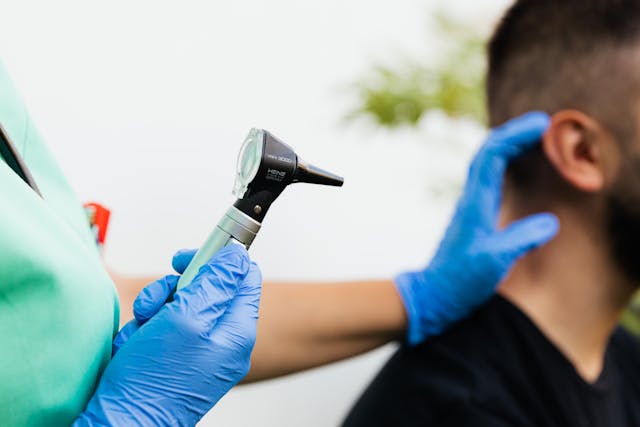
- Early Detection of Hearing Loss
Just as regular health check-ups can catch potential diseases, hearing tests are essential for identifying early signs of hearing loss. Many people may not realise they have diminished hearing abilities. Symptoms can be subtle, such as asking people to repeat themselves or straining to understand conversations in noisy environments. According to the UK’s National Health Service (NHS), one in six people experiences some form of hearing loss. By getting annual checks, you can detect changes early, allowing for prompt intervention and management, which can significantly enhance quality of life.
Moreover, early detection often correlates with improved outcomes. For example, if you know you have some level of impairment, you can make lifestyle adaptations that support your hearing. This might include using assistive technologies or simply avoiding overly loud environments where hearing could be further compromised. If you’re interested in finding solutions tailored to your specific hearing needs, visiting specialised resources like viphearingsolutions.co.uk can provide valuable education and offer access to various options.
- Prevention of Cognitive Decline
Recent studies have shown a compelling link between untreated hearing loss and cognitive decline. This connection is particularly concerning for older adults, who may experience various forms of dementia. According to research published in the Journals of Gerontology, individuals with hearing loss may be at a higher risk of developing Alzheimer’s disease and related dementias.
When hearing challenges go unaddressed, the brain can become less engaged with its environment. This disengagement potentially leads to cognitive atrophy, making it crucial to tackle hearing loss early. Engaging in regular hearing checks not only helps to identify loss but can also lead to strategies that maintain cognitive health over time.
- Improved Communication and Relationships
Hearing is a fundamental element of effective communication. Struggling to hear can lead to frustrating misunderstandings and can strain relationships. Individuals with untreated hearing loss are often more isolated, as their social interactions may dwindle due to the challenges they face in communication.
By attending routine hearing appointments, individuals can receive tailored advice on managing their hearing health and technology solutions, like hearing aids. These tools can significantly improve the ability to engage in conversations, making socialisation more fulfilling. After all, effective communication enhances relationships and overall emotional well-being.
- Access to Technological Advances
The landscape of auditory technology has evolved drastically in recent years. Hearing aids and assistive listening devices are more sophisticated than ever, boasting features such as Bluetooth connectivity, noise reduction, and customised sound profiles. However, even the best technology is ineffective if individuals do not take the necessary steps to explore these options.
Regular hearing assessments not only keep you informed about your current condition but also provide opportunities to explore the latest advancements. Professionals often share insights into the newest devices and how they can adapt to your lifestyle. This not only maintains but enhances your quality of life by equipping you with tools to navigate your world more effectively.
- Overall Health Monitoring
Hearing loss can often be a symptom of broader health issues. Conditions such as diabetes, cardiovascular diseases, or even high blood pressure can manifest through auditory changes. Therefore, hearing assessments can serve as an essential part of your holistic health monitoring.
For instance, if a sudden shift in your hearing ability occurs, it could indicate an underlying condition that requires immediate medical attention. Regular check-ups not only allow for the tracking of your auditory health but also ensure you’re aware of any interrelated health concerns. This proactive approach fosters a greater understanding of your overall well-being, encouraging a lifestyle that prioritises preventive care.
Conclusion
Incorporating regular hearing checks into your healthcare routine offers numerous advantages, from early detection and prevention of cognitive decline to improved communication and access to cutting-edge technology. As well as enriching personal relationships and enhancing overall health, these assessments can lead you to a more engaged and fulfilling life.
As you consider your health priorities, ask yourself: when was your last hearing check? It might be time to book an appointment and take a critical step toward nurturing your auditory health. By prioritising this aspect of your well-being, you’re not just safeguarding your hearing; you’re reinforcing the very foundation of your lifestyle.











Add Your Comment