


When it comes to aging safely at home, most people worry about stairs, sharp corners, or poor lighting. But surprisingly, the most dangerous room in the house for seniors is the bathroom. According to safety data, the majority of home-related injuries for older adults happen right here—where water, slippery surfaces, and tight spaces create the perfect storm for accidents.
The good news? With a few thoughtful upgrades and preventative strategies, you can transform a hazardous bathroom into a safe, comfortable, and accessible space for aging in place.
Why the Bathroom Is So Dangerous for Seniors
Bathrooms combine several risk factors that make them especially hazardous. Wet floors increase the chance of slips and falls, while stepping over a high tub wall can be difficult for those with limited mobility or balance issues. Add in poor lighting or hard-to-reach fixtures, and even routine tasks like bathing or using the toilet can become risky.
For seniors, even a minor fall can lead to serious injury, reduced independence, and prolonged recovery. That’s why proactive safety improvements are essential—not just for peace of mind, but for long-term health and mobility.
Top Bathroom Safety Hazards to Address
To effectively improve bathroom safety, it’s important to identify the most common problem areas:
Slippery Surfaces
Tile floors and smooth tubs can become dangerously slick when wet. Without proper traction, even a small misstep can result in a fall.
High Bathtub Walls
Traditional bathtubs require stepping up and over a ledge, which can be difficult for seniors with joint pain, balance issues, or limited strength.
Poor Lighting
Dim or uneven lighting can make it harder to see hazards, especially during nighttime bathroom visits.
Lack of Support Features
Bathrooms often lack stable support points, leaving seniors without anything to hold onto when sitting, standing, or stepping in and out of the tub.
Clutter and Tight Spaces
Small bathrooms can quickly become cluttered, increasing the risk of tripping or bumping into objects.
Simple Fixes That Make a Big Difference
Improving bathroom safety doesn’t always require a full remodel. Many effective solutions are affordable and easy to implement.
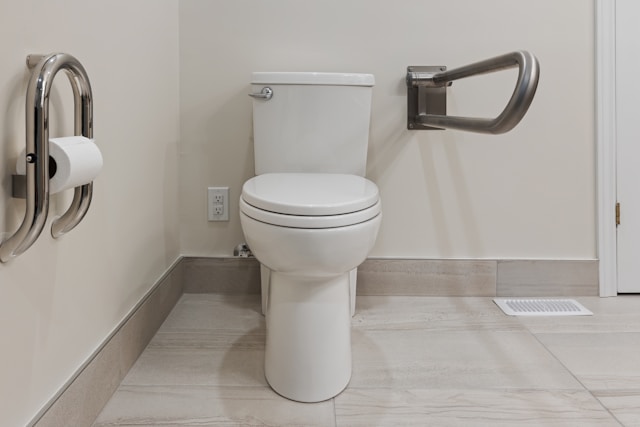
Install Grab Bars
Secure grab bars near the toilet and inside the shower or tub to provide essential support. Unlike towel racks, these are designed to hold weight and prevent falls.
Upgrade to Non-Slip Flooring
Add non-slip mats or adhesive strips inside the tub and on the floor. Look for materials designed specifically for wet environments.
Improve Lighting
Install brighter bulbs and consider motion-sensor night lights for improved visibility at night.
Use Safer Shower Accessories
Switching to 100% cotton shower curtains can help reduce slipping hazards compared to heavier materials that may cling or shift unexpectedly, and they are also easier to manage.
Declutter the Space
Keep only essential items within reach and ensure walkways are clear. Organized spaces reduce the chance of accidents.
The Best Long-Term Solution: Tub Accessibility
While small fixes help, one of the most impactful upgrades is making the bathtub easier to access. For many seniors, stepping over a tub wall is the single biggest challenge—and risk.
This is where a tub cut-out becomes a game-changer. By modifying the existing bathtub to include a low step-in entry, you eliminate the need to climb over a high barrier. It’s a faster and more affordable alternative to a full bathroom renovation.
One popular option is my favorite tub cut-out kit from Quick Tub, which allows homeowners to convert their existing tub into a safer, more accessible space without the cost and hassle of replacing it entirely.
Creating a Safer, More Comfortable Routine
Safety isn’t just about equipment—it’s also about creating habits that reduce risk. Encourage seniors to take their time in the bathroom, wear non-slip footwear, and keep frequently used items within easy reach.
Caregivers and family members should regularly check the bathroom for new hazards, such as loose mats or burned-out light bulbs. Small maintenance tasks can prevent major accidents.
Planning for Aging in Place
The best time to improve home safety is before an accident happens. Whether you’re updating your own home or helping a loved one age in place, focusing on bathroom safety is one of the smartest decisions you can make.
By addressing key hazards, adding supportive features, and considering accessibility upgrades, you can turn the most dangerous room in the house into one of the safest.
A safer bathroom doesn’t just prevent injuries—it provides confidence, independence, and peace of mind for years to come.










Add Your Comment