


According to the American Dental Association’s 2023 research, nearly half of adults over 30 show signs of gum disease — yet most don’t realize they have it until irreversible damage has already occurred. What makes this particularly concerning is how the condition progresses: the gap between initial symptoms and serious complications can span months or years, during which early intervention could have prevented tooth loss entirely.
The shift toward preventive dentistry has highlighted a critical window where gum disease remains highly treatable. Unlike advanced periodontal conditions that require surgical intervention, early-stage gum disease responds well to non-invasive treatments when caught promptly. For the millions of Americans brushing and flossing regularly yet still developing periodontal problems, understanding what to watch for — and why timing matters — can determine whether they’ll need simple cleaning procedures or face complex reconstructive work down the road.
The challenge isn’t just recognition; it’s knowing which symptoms signal the need for immediate attention versus normal variations in oral health. Here’s what separates the early warning signs from temporary irritation, and how that recognition directly impacts your treatment options.
Why Early Recognition of Gum Disease Matters
The difference between catching gum disease in its initial stages versus waiting until symptoms become severe isn’t just about comfort — it fundamentally changes the trajectory of treatment and long-term oral health outcomes. Gingivitis, the earliest form of gum disease, remains completely reversible with proper care. Miss this window, and the condition progresses to periodontitis, where the damage becomes permanent.
Here’s what happens during that progression: early gum disease affects only the soft tissue around your teeth, causing inflammation and bleeding but leaving the underlying structures intact. Once it advances to periodontitis, bacteria begin destroying the ligaments and bone that hold teeth in place. While advanced treatments can halt this destruction, they can’t restore what’s already been lost.
The treatment implications are dramatic. Early-stage intervention typically involves professional cleanings, improved home care, and possibly antimicrobial rinses — procedures that patients can comfortably complete in a few visits. Advanced cases require scaling and root planing (deep cleaning below the gum line), potential surgical intervention, and ongoing maintenance that can span months or years.
Consider someone who notices occasional bleeding when brushing but assumes it’s normal. Within six months, that bleeding could indicate pockets forming around the teeth where bacteria accumulate beyond the reach of regular cleaning. By the time discomfort or visible swelling appears, the infection has likely progressed to a stage requiring significantly more intensive treatment.
The economic factor compounds this urgency. Early treatment costs typically range from routine cleaning fees to minor additional procedures. Advanced treatment can involve thousands of dollars in scaling, surgical procedures, and long-term maintenance — not to mention potential tooth replacement if the damage progresses too far.
What makes early recognition particularly crucial is that gum disease often develops without obvious pain. Unlike cavities, which typically announce themselves through sensitivity or discomfort, periodontal problems can advance silently until they reach stages where treatment becomes complex and outcomes less predictable.
What Are the First Signs and Symptoms of Gum Disease
The earliest indicators of gum disease often masquerade as minor inconveniences, which explains why so many cases go unrecognized until they’ve progressed beyond the easily treatable stage. Bleeding during brushing or flossing stands as the most common first sign, yet many people dismiss it as brushing too hard or using a new toothbrush.
Here’s what that bleeding actually indicates: healthy gums don’t bleed under normal brushing pressure. When inflammation begins, the tissue becomes engorged with blood and more fragile. Even gentle pressure causes bleeding because the gum tissue is fighting an active bacterial infection. If you notice blood on your toothbrush or in the sink after routine cleaning, that’s your gums signaling distress.
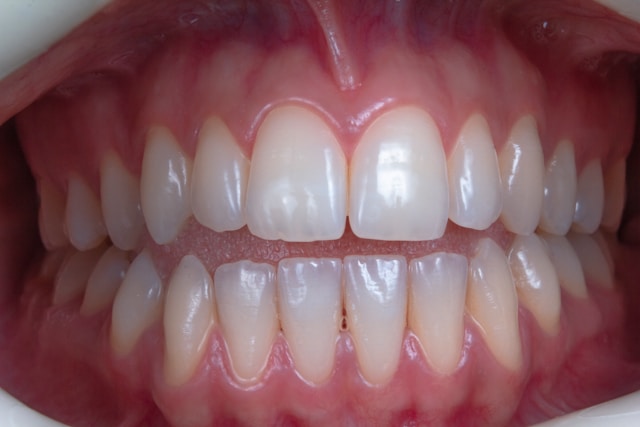
Gum swelling and color changes provide another early warning system. Healthy gums appear pale pink and firm against the teeth. Inflamed gums often take on a deeper red color and may appear puffy or swollen. The texture changes too — instead of firm tissue that hugs the teeth closely, infected gums feel softer and may pull slightly away from the tooth surface.
Persistent bad breath or a bad taste in your mouth that doesn’t respond to normal oral hygiene often indicates bacterial overgrowth below the gum line. This isn’t the temporary bad breath from eating certain foods, but rather a consistent metallic or unpleasant taste that lingers despite brushing, flossing, and using mouthwash.
Increased sensitivity when eating or drinking, particularly to temperature changes, can signal the beginning stages of gum recession. As inflammation progresses, gums may start pulling away from teeth, exposing root surfaces that weren’t previously visible. This creates sensitivity that wasn’t there before.
Changes in how your teeth fit together when you bite down represents a more advanced early symptom. As gum disease progresses, it can cause slight shifts in tooth position. If you notice your bite feels different or teeth seem to have moved slightly, this often indicates the supporting structures have begun to weaken.
The key distinction between temporary irritation and early gum disease lies in persistence. Gums might bleed once or twice from aggressive brushing, but consistent bleeding over several days indicates underlying inflammation. Similarly, occasional bad breath differs significantly from persistent bad breath that doesn’t improve with normal hygiene routines.
Understanding these symptoms matters because they represent the narrow window where simple interventions can reverse the process entirely. Once these early signs progress to obvious discomfort, visible recession, or loose teeth, you’ve moved beyond the easily treatable stage into more complex territory.
What Causes Gum Disease and Who Is at Risk
Plaque accumulation drives virtually all gum disease, but understanding how this process unfolds reveals why some people develop problems despite seemingly good oral hygiene while others remain cavity-free with minimal care. Plaque isn’t just food particles — it’s a complex bacterial biofilm that forms continuously on teeth, particularly along the gum line where brushing and flossing often miss microscopic areas.
Within 24 hours, this bacterial film begins hardening into tartar, which bonds to tooth surfaces so strongly that only professional cleaning can remove it. Tartar provides a rough surface where more bacteria accumulate, creating a cycle where the infection becomes increasingly difficult to disrupt with home care alone. The bacteria produce toxins that trigger the immune system’s inflammatory response, causing the swelling, bleeding, and tissue breakdown characteristic of gum disease.
Several factors amplify this process significantly. Smoking stands as one of the most powerful risk accelerators because nicotine restricts blood flow to gum tissue, impairing the immune system’s ability to fight bacterial infection. Smokers often develop more severe gum disease faster and respond less predictably to treatment.
Diabetes creates a two-way relationship with gum disease that complicates both conditions. High blood sugar levels provide more fuel for bacterial growth in the mouth, while gum infections can make blood sugar harder to control. People with diabetes face roughly double the risk of developing periodontal problems, and those problems tend to progress more rapidly.
Hormonal changes during pregnancy, menopause, or certain medical treatments can temporarily increase gum sensitivity and bleeding. The hormones don’t cause gum disease directly, but they make gum tissue more reactive to the bacterial irritation that’s already present.
Genetics plays a substantial role that many people underestimate. Some individuals inherit immune system patterns that overreact to bacterial presence, leading to excessive tissue destruction. Others may have inherited tooth spacing or jaw structure that makes thorough cleaning more difficult, creating areas where bacteria accumulate despite good intentions.
Medications that reduce saliva production create an environment where bacteria thrive more easily. Saliva naturally rinses away food particles and bacterial byproducts while providing antibacterial compounds. Antihistamines, blood pressure medications, and certain antidepressants can significantly reduce saliva flow, increasing infection risk.
Stress impacts gum health through multiple pathways: it suppresses immune function, often leads to neglected oral hygiene routines, and frequently increases behaviors like teeth grinding that can damage the supporting structures around teeth.
What many people don’t realize is that certain individuals can maintain excellent oral hygiene yet still develop gum problems due to these underlying risk factors, while others with less-than-perfect habits remain relatively unaffected. This explains why comprehensive periodontal care often involves addressing systemic factors alongside the local bacterial infection.
What Early-Stage Treatments Are Available for Gum Disease
Non-Surgical Treatment Methods
When gum disease is caught early, the treatment approach focuses on eliminating bacterial infection and restoring healthy tissue without surgical intervention. Professional scaling and root planing represents the gold standard for early-stage treatment, involving deep cleaning below the gum line to remove bacterial deposits and smooth root surfaces where bacteria tend to accumulate.
This process differs significantly from routine dental cleaning. While regular cleanings address plaque and tartar above the gum line, scaling and root planing reaches into the pockets that have formed between teeth and gums, removing bacterial colonies that home care can’t reach. The procedure typically requires local anesthesia and may be completed over multiple visits, depending on the extent of infection.
Antimicrobial therapy often accompanies mechanical cleaning to suppress bacterial regrowth during the healing phase. This might involve prescription mouth rinses, antibiotic gels placed directly into infected pockets, or short courses of oral antibiotics for cases where infection has spread more broadly. The goal isn’t long-term antibiotic use, but rather creating a window where beneficial bacteria can reestablish healthy balance.
For those seeking comprehensive periodontal dentistry services in Cary, treatment plans typically integrate professional interventions with enhanced home care protocols designed to maintain the improvements achieved through clinical procedures.
Laser therapy has emerged as an additional tool for early-stage treatment, using focused light energy to reduce bacterial levels and promote tissue healing. While not a replacement for mechanical cleaning, laser treatment can enhance outcomes in cases where traditional methods alone haven’t achieved complete resolution.
The timeline for non-surgical treatment success varies, but most patients see significant improvement within 4-6 weeks if they maintain consistent home care alongside professional treatment. Bleeding typically stops within the first two weeks, while tissue firmness and color improvements continue over several months.
Surgical Treatment Considerations
When early intervention doesn’t achieve complete healing, or when disease has progressed beyond the reach of non-surgical methods, periodontal surgery may become necessary to access areas of infection that cleaning alone cannot address effectively.
Flap surgery involves temporarily lifting gum tissue to allow thorough cleaning of tooth root surfaces and surrounding bone, then repositioning the tissue for optimal healing. This approach works best when pockets around teeth have deepened beyond what scaling and root planing can adequately clean.
Regenerative procedures aim to restore some of the bone and tissue lost to infection, using materials that encourage the body’s natural healing processes to rebuild supporting structures around teeth. While these techniques can’t restore everything that’s been lost, they can significantly improve long-term stability in many cases.
The key insight for patients facing early-stage gum disease is that prompt, thorough non-surgical treatment often prevents the need for surgical intervention entirely. Most cases caught at the gingivitis stage respond completely to professional cleaning and improved home care, making surgery unnecessary.
How to Maintain Gum Health After Treatment to Prevent Recurrence
Successfully treating early-stage gum disease represents just the beginning of long-term periodontal health — the patterns you establish in the months following treatment largely determine whether the improvement becomes permanent or the infection returns, often more aggressively than before.
Enhanced home care protocols go beyond standard brushing and flossing recommendations. Most people need to upgrade their technique rather than just their frequency. Electric toothbrushes with pressure sensors help ensure thorough cleaning without the aggressive brushing that can damage healing tissue. Water flossers can reach areas where traditional floss struggles, particularly around dental work or in areas where pocket depth has been reduced but not eliminated.
The timing of home care matters more than most people realize. Bacteria begin recolonizing cleaned surfaces within hours, so consistency trumps intensity. Two thorough cleaning sessions daily prove more effective than one aggressive session, especially during the first three months when tissue is still healing and more susceptible to reinfection.
Professional maintenance scheduling typically intensifies after treatment, with cleanings every three to four months rather than the standard six-month interval. This isn’t permanent — many patients can return to routine scheduling once their tissue has fully healed and demonstrated stability. However, those with risk factors like diabetes or smoking may need continued frequent monitoring to prevent recurrence.
Lifestyle modifications often determine long-term success more than any single treatment factor. Smoking cessation provides the most dramatic improvement in healing and long-term stability. Stress management, blood sugar control for diabetics, and addressing medications that reduce saliva production all contribute to creating an oral environment where healthy tissue can thrive.
The biological reality is that gum disease represents a chronic condition managed rather than cured. Even successful treatment doesn’t change the underlying factors that made someone susceptible initially. However, with appropriate ongoing care, the vast majority of patients can maintain the improvements achieved through early intervention and avoid the progression to advanced periodontal disease that threatens tooth retention.
What separates long-term success from recurrence is often the recognition that maintaining gum health requires ongoing attention to both the bacterial infection and the personal factors that contributed to its development initially. The investment in enhanced care during the months following treatment typically prevents the need for more intensive interventions later, making it both the most comfortable and most cost-effective approach to long-term oral health.











Add Your Comment