


According to the American Dental Association’s 2024 surveillance data, nearly 42% of children aged 2–11 develop cavities in their primary teeth — yet most of this decay occurs in the same high-risk areas that could be protected through early preventive care. As pediatric dentistry increasingly shifts toward prevention-first approaches, families in Salem County face a critical window during their children’s early years when the right dental interventions can prevent decades of oral health problems. The stakes extend beyond cavities: untreated childhood dental issues often cascade into speech difficulties, nutritional problems, and chronic pain that affects learning and development.
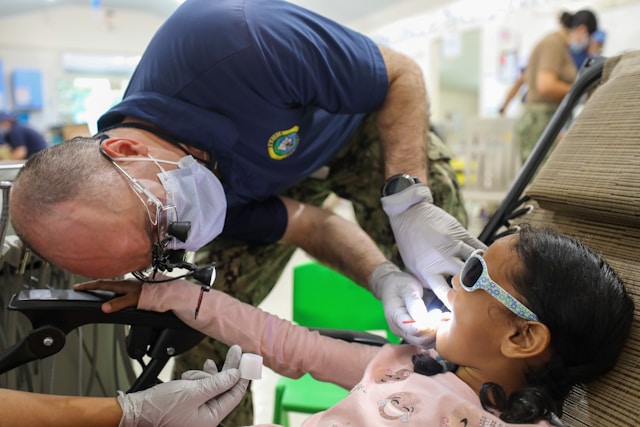
For parents navigating this landscape, the distinction between reactive dental care and true prevention isn’t always clear. Understanding how pediatric dentists approach comprehensive preventive care — and when to start — shapes not just your child’s immediate comfort, but their relationship with oral health throughout their lifetime.
Why Preventive Care Shapes Children’s Oral Health
Children’s mouths change rapidly during their first decade, creating unique vulnerabilities that don’t exist in adult dentistry. When permanent molars emerge around age six, they arrive with deep grooves and fissures that adult-sized toothbrush bristles simply cannot reach effectively. These anatomical realities mean that even children with excellent brushing habits face inherent risks that preventive interventions can address before problems develop.
The timing of preventive care matters more than most families realize. Primary teeth serve as placeholders for permanent teeth, guiding their proper positioning and spacing. When decay forces early removal of baby teeth, the resulting space loss can create orthodontic problems that require years of correction later. Research from the Centers for Disease Control shows that children who lose primary teeth prematurely are significantly more likely to need extensive orthodontic treatment during adolescence.
Preventive care also addresses systemic health connections that emerge during childhood. The bacteria responsible for tooth decay can affect overall immune function, particularly in young children whose immune systems are still developing. Streptococcus mutans, the primary cavity-causing bacteria, establishes colonies in the mouth during early childhood — typically between ages 19 months and 31 months. Preventive strategies during this critical window can influence a child’s cavity risk for life.
Beyond individual tooth protection, preventive pediatric dental care helps establish behavioral patterns that extend into adulthood. Children who experience comfortable, positive dental visits from an early age develop confidence around oral healthcare that makes them more likely to maintain consistent dental habits throughout their lives. This psychological foundation often proves more valuable than any single treatment, creating a cycle of proactive care rather than crisis intervention.
How Pediatric Dentists Provide Child-Friendly, Comprehensive Care
Qualifications and Specialized Training
Pediatric dentists complete the same four-year dental school program as general dentists, then pursue an additional two to three years of specialized residency training focused exclusively on children’s dental development, behavior management, and treatment approaches. This advanced training covers child psychology, growth and development patterns, and techniques for managing patients from infancy through adolescence — including children with special healthcare needs.
The residency training includes extensive experience with conscious sedation techniques, trauma management, and interceptive orthodontics specific to developing dentition. Unlike general dentists who may see children occasionally, pediatric dentists treat exclusively young patients, developing refined skills in communication techniques that work for different developmental stages. They learn to recognize early signs of problems that might not become apparent to general practitioners until more advanced stages, enabling truly preventive intervention rather than early treatment.
This specialized education extends to understanding how medications affect growing bodies differently than adults, proper dosing for various developmental stages, and recognizing when developmental variations represent normal growth versus concerns requiring intervention. Board certification through the American Board of Pediatric Dentistry ensures ongoing competency through continuing education requirements specifically focused on advancing pediatric dental care.
Creating a Child-Friendly Dental Experience
Pediatric dental offices are designed from the ground up with children’s psychological comfort in mind. Beyond colorful waiting rooms, the treatment approach incorporates tell-show-do techniques that help children understand what’s happening before it occurs. Equipment is sized appropriately for smaller mouths, and treatment chairs often feature entertainment systems or ceiling-mounted displays to provide positive distraction during procedures.
The communication style differs fundamentally from adult dentistry. Pediatric dentists use age-appropriate language, avoiding words that might create anxiety. Instead of “shot,” they might say “sleepy juice.” Rather than “drill,” they describe “Mr. Bumpy” cleaning out the cavity. This linguistic approach, combined with staff trained in child development, creates an environment where gentle dentistry for kids becomes the standard rather than the exception.
Behavioral guidance techniques range from positive reinforcement and distraction to, when necessary, protective stabilization for safety during treatment. The goal remains consistent: completing necessary dental care while maintaining the child’s trust and comfort with the dental environment. Many pediatric practices also incorporate parents into the treatment process appropriately, recognizing that family dynamics significantly influence a child’s dental experience and long-term oral health habits.
Preventive Practices and Treatments Offered by Pediatric Dentists
Dental sealants represent one of the most effective preventive treatments available to children. Applied to the chewing surfaces of permanent molars, these thin plastic coatings create a barrier that prevents bacteria from accessing the deep grooves where cavities most commonly develop. The procedure requires no drilling or numbing — the tooth surface is simply cleaned, prepared with a mild acid solution, and the sealant is painted on and hardened with a special light. When properly maintained, sealants can prevent cavities for up to 10 years.
Fluoride applications go beyond what children receive from toothpaste or water sources. Professional fluoride treatments use higher concentrations applied directly to teeth, strengthening enamel and making it more resistant to acid attacks from bacteria. These treatments are particularly valuable for children at higher cavity risk due to factors like frequent snacking, certain medications, or developmental conditions that make thorough cleaning difficult.
Early orthodontic evaluation, typically recommended by age seven, allows pediatric dentists to identify potential spacing, alignment, or bite problems while there’s still time for interceptive treatment. Simple interventions during mixed dentition — when children have both baby and permanent teeth — can often prevent the need for more extensive orthodontic work later. This might include space maintainers when primary teeth are lost early, or palatal expanders to address crowding before all permanent teeth emerge.
Protective mouthguards become essential as children engage in sports activities. Custom-fitted guards created by pediatric dentists offer superior protection compared to over-the-counter options, properly accommodating changing dentition and providing comfort that encourages consistent use. The investment in a quality mouthguard often prevents traumatic injuries that could require years of restorative treatment.
Regular professional cleaning removes plaque and tartar that home brushing cannot eliminate, particularly important as children develop the manual dexterity for effective oral hygiene. These appointments also provide opportunities for reinforcing proper brushing and flossing techniques as children’s abilities and dentition evolve.
Managing Dental Anxiety and Building Positive Habits in Children
Dental anxiety in children often stems from fear of the unknown rather than actual discomfort. Pediatric dentists address this through systematic desensitization approaches, starting with simple examination visits that allow children to become familiar with the office environment, sounds, and staff before any treatment becomes necessary. This foundation-building approach prevents anxiety from developing rather than trying to manage it after it’s established.
Nitrous oxide (laughing gas) provides an effective anxiety management tool for children who need additional comfort during procedures. Unlike sedation, nitrous oxide allows children to remain conscious and responsive while reducing anxiety and discomfort perception. The gas is mixed with oxygen and delivered through a small nasal mask, taking effect within minutes and wearing off completely once the mask is removed. Children can return to normal activities immediately after treatment.
Parents play a crucial role in anxiety prevention through their own attitudes and language around dental care. Children pick up on parental anxiety, so parents who maintain positive, matter-of-fact attitudes about dental visits help children approach these experiences with confidence. Avoiding phrases like “it won’t hurt” actually plants the idea that pain might be expected, while focusing on the positive aspects of maintaining healthy teeth creates better associations.
Building consistent oral hygiene habits requires understanding developmental capabilities at different ages. Toddlers need parents to perform most cleaning, but can begin learning to spit and rinse. Preschoolers can start brushing independently with supervision, while school-age children develop the fine motor skills necessary for effective flossing. Pediatric dentists help parents understand realistic expectations for each developmental stage while providing techniques that make daily oral care engaging rather than a struggle.
Motivational techniques like sticker charts, special toothbrushes featuring favorite characters, or rewards for consistent habits help children develop intrinsic motivation for oral care. The key lies in celebrating the behavior rather than just the outcome, helping children feel proud of their efforts to take care of their teeth.
How Often Should Children Visit a Pediatric Dentist?
The American Academy of Pediatric Dentistry recommends children visit a pediatric dentist within six months of their first tooth appearing, or by their first birthday — whichever comes first. This early timeline often surprises parents, but it establishes the foundation for lifelong preventive care while teeth and oral hygiene habits are still developing. These initial visits focus primarily on education for parents and gentle familiarization for children rather than extensive treatment.
After the initial visit, most children benefit from dental checkups every six months, though some may need more frequent visits based on their individual cavity risk, oral hygiene effectiveness, or developmental factors. Children with higher cavity risk — due to factors like frequent snacking, certain medications, or developmental challenges — might need quarterly visits to maintain optimal oral health through more intensive preventive care.
The timing becomes particularly important during periods of rapid dental development. Between ages 6 and 12, when children are losing primary teeth and permanent teeth are emerging, more frequent monitoring ensures proper eruption patterns and allows for early intervention if spacing or alignment issues develop. During these mixed dentition years, seemingly minor problems can often be corrected with simple interventions that prevent more complex treatment later.
Regular visits also reinforce proper oral hygiene techniques as children’s abilities evolve. What works for a four-year-old differs significantly from what a ten-year-old can accomplish independently. Consistent professional guidance helps families adjust their home care routines to match their child’s developing capabilities while maintaining effectiveness.
For busy families in Pennsville and surrounding Salem County areas, establishing a consistent schedule with a pediatric dentist creates predictability that benefits both parents and children. Rather than waiting for problems to develop, regular preventive visits allow families to address small issues before they require extensive treatment — ultimately saving time, discomfort, and expense while ensuring children maintain healthy smiles throughout their developmental years.











Add Your Comment