


The American Dental Association reports that over 120 million Americans are missing at least one tooth, yet only 3 million currently have dental implants — despite implants having the highest long-term success rates of any tooth replacement option. As dental technology advances and implant procedures become more refined, the gap between those who could benefit from implants and those who actually receive them continues to widen. This disconnect often stems from outdated perceptions about cost, surgery complexity, or simply not understanding when implants represent the best solution.
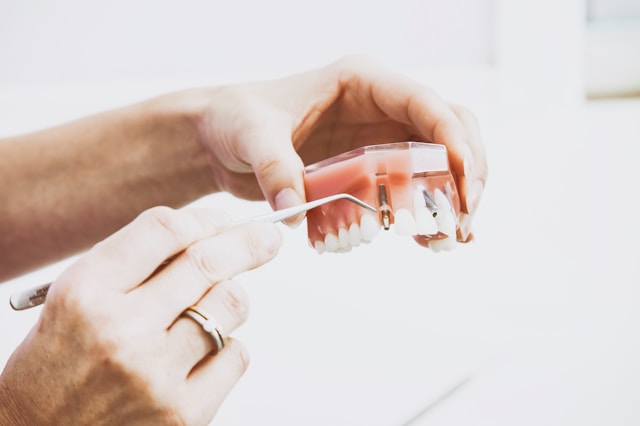
For anyone facing tooth loss — whether from injury, decay, or gum disease — the decision between implants, bridges, or dentures carries consequences that extend far beyond appearance. The choice affects chewing function, jawbone health, adjacent teeth, and quality of life for decades to come. Understanding the specific factors that make implants the optimal choice, along with realistic expectations about the process and outcomes, can fundamentally change how you approach this decision.
When and why dental implants are the right choice
The decision to choose dental implants isn’t just about replacing missing teeth — it’s about preserving your oral health infrastructure for the long term. Several key factors determine whether implants align with your specific situation and health goals.
Bone density and gum health form the foundation of implant candidacy. Your jawbone needs sufficient density and height to support a titanium post, while healthy gums provide the seal that prevents bacterial infiltration around the implant. If you’ve lost a tooth recently, you’re typically in a stronger position than someone whose tooth has been missing for years, since bone naturally resorbs when it’s no longer supporting a tooth root.
Consider someone who loses a front tooth in a sports accident. If they’re otherwise healthy with good oral hygiene, implants become the clear choice because they preserve the adjacent teeth — unlike a bridge, which requires grinding down healthy neighboring teeth for support. The same logic applies to back teeth, where implants restore full chewing power without compromising surrounding teeth.
Lifestyle and age considerations also influence the decision. Younger patients often benefit most from implants because they’ll potentially use the restoration for 40-50 years, making the upfront investment more cost-effective than multiple bridge replacements. However, age alone doesn’t disqualify anyone — many patients in their 70s and 80s are excellent implant candidates if their bone density and general health support healing.
The key question isn’t whether you can get implants, but whether they solve your specific functional and health needs better than alternatives. For single missing teeth in healthy mouths, implants almost always represent the gold standard. For multiple missing teeth, the decision becomes more nuanced, weighing factors like existing dental work, budget constraints, and timeline preferences.
Key benefits of dental implants beyond aesthetics
While implants certainly restore a natural appearance, their most compelling advantages relate to oral health preservation and functional restoration. These benefits compound over time, making implants increasingly valuable as years pass.
Jawbone preservation represents perhaps the most significant long-term benefit. When you lose a tooth root, the jawbone in that area begins to shrink — a process called resorption. Dentures and bridges sit on top of the gums but don’t stimulate bone growth. Implants, however, transfer chewing forces directly into the jawbone just like natural tooth roots, maintaining bone density and facial structure. This prevents the sunken appearance that often develops in long-term denture wearers.
Full chewing function returns with implants in a way that’s impossible with other options. You can bite into apples, chew steak, and eat corn on the cob without worry. Dentures typically restore only 25-30% of natural chewing force, while implants restore nearly 100%. This impacts nutrition significantly — people with poor chewing ability often avoid healthy foods like fresh vegetables and lean proteins.
Oral hygiene advantages emerge because implants don’t create the hard-to-clean areas that bridges and partial dentures introduce. You brush and floss around implants exactly like natural teeth. There’s no need for special adhesives, soaking solutions, or removal for cleaning. Adjacent teeth remain untouched and easier to maintain long-term.
Speech clarity improves naturally with implants, especially for front teeth replacements. Dentures can slip during speech, creating lisping or clicking sounds. Implants stay firmly in place, allowing normal tongue positioning and airflow patterns.
The psychological benefits shouldn’t be underestimated either. People with secure implants report greater confidence in social and professional situations, no longer worrying about slipping dentures or avoiding certain foods in public. This improved quality of life often justifies the investment beyond purely functional considerations.
The dental implant procedure and healing explained
Understanding the implant process helps set realistic expectations and explains why success rates remain so consistently high when proper protocols are followed. The procedure unfolds in distinct phases, each serving a specific biological purpose.
The initial surgical placement involves positioning a titanium post precisely in the jawbone where the tooth root once existed. Modern techniques use 3D imaging to plan exact placement angles and depths, minimizing surgical trauma and optimizing healing conditions. The surgery itself typically takes 30-60 minutes per implant under local anesthesia, with many patients comparing the experience to having a tooth extracted.
Following surgery, your mouth begins a remarkable healing process that transforms the titanium post into a functional tooth root replacement. This isn’t simply healing around the implant — it’s biological integration that creates a stronger bond than many natural teeth achieve with bone.
The osseointegration healing phase
Osseointegration — the fusion of titanium with living bone — represents the key to implant success. Over 3-6 months, bone cells grow directly onto the implant surface, creating a permanent anchor that can withstand normal chewing forces for decades.
This process requires specific conditions to succeed. The surgical site must remain undisturbed while new bone forms, which is why temporary restorations during healing are either avoided or carefully designed not to put pressure on the implant. Your body treats the titanium as biocompatible material rather than foreign object, allowing cellular integration that’s impossible with other metals.
Factors like smoking, uncontrolled diabetes, or certain medications can interfere with osseointegration, which is why thorough health evaluation precedes implant placement. The healing timeline varies by individual, but most people complete integration within 4-6 months. During this period, you’ll have temporary tooth replacement options that maintain appearance and function without compromising the healing implant.
What to expect during and after surgery
Post-surgical discomfort typically peaks 2-3 days after placement, then gradually subsides over the following week. Most patients describe the pain as similar to tooth extraction — manageable with over-the-counter medications and prescription pain relievers for the first few days. Swelling around the surgical site is normal and actually indicates healthy immune response.
Ice packs applied intermittently during the first 24 hours help minimize swelling, while soft foods for the first week protect the surgical site. You’ll return for follow-up appointments to monitor healing progress, with the final crown placement scheduled once osseointegration completes.
The entire process from implant placement to final crown typically spans 4-7 months, depending on healing speed and whether bone grafting was necessary. While this timeline requires patience, it results in a restoration that can last 25-30 years or longer with proper care.
Risks, complications, and common misconceptions about implants
Like any surgical procedure, dental implants carry potential risks that responsible practitioners discuss openly with patients. Understanding these possibilities, along with clearing up common myths, leads to better decision-making and more realistic expectations.
Infection at the implant site represents the most common complication, occurring in roughly 5-10% of cases. This usually happens within the first few months if bacteria penetrate the healing tissues around the implant. Proper oral hygiene, following post-surgical instructions, and attending follow-up appointments significantly reduce infection risk. Most infections respond well to antibiotics when caught early.
Implant failure — where osseointegration doesn’t occur properly — happens in approximately 2-5% of cases. Risk factors include smoking, certain medical conditions like uncontrolled diabetes, and insufficient bone quality at the implant site. When failure occurs, it’s typically discovered during the healing phase before the final crown is placed, allowing for retreatment options.
Nerve damage in the lower jaw is a rare but serious risk, particularly for back tooth implants near the major nerve that provides sensation to the lip and chin. Experienced surgeons use detailed imaging to avoid nerve proximity, making this complication extremely uncommon with proper planning.
Several misconceptions discourage people from considering implants when they might be good candidates. The belief that implants are “too expensive” often ignores their longevity — while initial costs exceed other options, implants typically prove more economical over 15-20 years when factoring in bridge replacements and denture adjustments.
The fear that implant surgery is “too painful” doesn’t match most patients’ actual experiences. Modern pain management and surgical techniques make implant placement comparable to routine tooth extractions. Many patients return to work the next day with minimal discomfort.
Age-related myths also persist. There’s no upper age limit for implants if general health supports healing. Conversely, younger patients sometimes assume they should “wait until they’re older” to get implants, missing years of improved function and bone preservation.
Long-term maintenance and success factors
Implant longevity depends heavily on consistent maintenance and lifestyle choices that support ongoing oral health. While implants can’t develop cavities, they remain vulnerable to the same bacterial processes that affect natural teeth and gums.
Daily oral hygiene around implants requires the same attention as natural teeth — thorough brushing, daily flossing, and antimicrobial rinses when recommended. The gum tissue around implants can develop inflammation (peri-implantitis) if bacterial plaque accumulates, potentially leading to bone loss and implant failure. Regular dental cleanings every 3-6 months help prevent this progression.
Lifestyle factors significantly impact implant success rates. Smoking remains the strongest predictor of implant complications, reducing success rates by 10-15% and slowing healing after placement. For those considering implant options for your Smile, quitting smoking before treatment dramatically improves outcomes. Heavy alcohol consumption and uncontrolled medical conditions like diabetes also increase complication risks.
Protective measures become important for people who grind their teeth at night or play contact sports. A properly fitted night guard prevents excessive forces that could damage implant crowns or surrounding bone. Sports guards protect against traumatic impacts that might fracture crowns or disturb implants.
Modern implant surfaces and crown materials continue improving durability and biocompatibility. Newer titanium alloys integrate more predictably with bone, while advanced ceramic crowns resist staining and wear better than earlier materials. These technological advances mean implants placed today will likely outperform earlier generations in both function and aesthetics.
The key to maximizing implant lifespan lies in viewing them as long-term investments in oral health rather than simple tooth replacements. Patients who maintain excellent oral hygiene, attend regular checkups, and protect their implants from excessive forces routinely achieve 25-30 year lifespans — and many implants placed in the 1980s continue functioning today. Success ultimately depends on treating implants with the same care you’d give your natural teeth, recognizing that this small daily investment protects a significant improvement to your quality of life for decades to come.











Add Your Comment