


According to the American Dental Association’s 2024 oral health report, over 40 million Americans rely on dentures for basic functions like eating and speaking — yet nearly 60% admit they don’t follow proper daily cleaning protocols. As dental technology advances and the population ages, the gap between what dentures can deliver and what many people actually experience continues to widen, often due to inadequate home care rather than the prosthetics themselves.
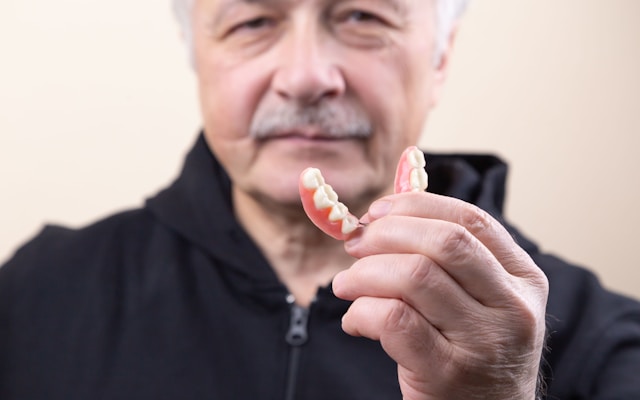
Poor denture hygiene doesn’t just affect comfort or appearance. It creates a cascade of problems: bacterial infections, gum inflammation, persistent bad breath, and accelerated bone loss that makes future dental work more complicated and expensive. For the millions of Americans navigating denture care without clear guidance, understanding the practical differences between cleaning methods, recognizing early warning signs of problems, and avoiding common mistakes can mean the difference between dentures that enhance quality of life and ones that become a daily source of frustration.
The challenge isn’t just knowing what to do — it’s knowing what works for your specific type of dentures and catching problems before they require professional intervention.
How Do You Clean Dentures to Maintain Oral Hygiene?
Effective denture cleaning starts with understanding that your prosthetics collect bacteria just like natural teeth, but the cleaning process requires gentler handling and different techniques. Unlike natural enamel, denture materials can scratch easily, creating microscopic grooves where bacteria multiply rapidly.
The foundation of good denture hygiene involves a two-step daily routine: mechanical cleaning to remove food particles and plaque, followed by antimicrobial soaking to eliminate bacteria you can’t brush away. Start by rinsing your dentures under cool running water immediately after eating to prevent food from hardening on the surface. This simple step prevents most staining and makes thorough cleaning much easier later.
For the daily deep clean, use a soft-bristled denture brush or regular toothbrush with gentle pressure. Hold the denture securely over a folded towel or basin of water — dropping them on a hard surface can cause expensive cracks or breaks. Focus on areas where your dentures contact your gums, as these spots accumulate the most bacteria and plaque.
The brushing technique matters more than the product. Work in small circular motions rather than aggressive back-and-forth scrubbing, which can create scratches. Pay special attention to grooves, clasps, and any textured surfaces where debris tends to hide. Many people make the mistake of rushing through this step, but thorough mechanical cleaning takes at least two to three minutes to be effective.
After brushing, dentures need overnight soaking in an antimicrobial solution. This isn’t optional — saliva normally helps control oral bacteria, but dentures don’t benefit from that natural protection when they’re in your mouth. The soaking solution reaches areas your brush can’t and continues working against bacteria while you sleep, ensuring you start each day with genuinely clean prosthetics.
What Are the Differences in Cleaning Removable and Fixed Dentures?
The cleaning approach for your dentures depends entirely on whether they’re removable or permanently fixed to dental implants. Most people assume all dentures come out for cleaning, but fixed dentures require completely different maintenance strategies that more closely resemble caring for natural teeth.
How Should You Care for Removable Dentures at Home?
Removable dentures offer the advantage of thorough cleaning outside your mouth, but they require careful handling to prevent damage. Remove them gently using both hands rather than prying from one side, which can warp the base or break clasps. Once out, rinse immediately under lukewarm water — never hot, which can distort the plastic.
Clean removable dentures over a soft surface and use denture-specific cleaning products rather than regular toothpaste, which contains abrasives that scratch the surface. Soak them overnight in a denture cleanser or antimicrobial solution, ensuring the entire prosthetic is submerged. Store them in solution rather than letting them dry out, as this can cause warping and make them uncomfortable to wear.
The most critical mistake with removable dentures is neglecting to clean your gums, tongue, and any remaining natural teeth while the dentures soak. Use a soft toothbrush to gently clean these areas, removing bacteria and stimulating circulation. This step prevents infections and keeps your mouth healthy for comfortable denture wear.
What Is the Proper Way to Clean Fixed Dentures?
Fixed dentures attached to dental implants can’t be removed for cleaning, so maintenance happens entirely in your mouth using specialized tools. Water flossers become essential for reaching underneath the prosthetic where food particles accumulate. Unlike removable dentures, you can use regular fluoride toothpaste, but choose a soft-bristled brush to protect both the prosthetic and surrounding gum tissue.
Threading floss under fixed dentures requires practice but prevents the bacterial buildup that leads to implant complications. Use floss threaders or interdental brushes designed for cleaning around dental work. Focus on the gum line where the prosthetic meets your tissue — this junction collects bacteria that can compromise the implants supporting your dentures.
Regular dental checkups become even more important with fixed dentures, as problems develop beneath the prosthetic where you can’t see them. Professional cleanings remove calculus buildup that home care can’t address, ensuring your investment in implant-supported dentures lasts decades rather than requiring early replacement.
What Common Mistakes Should You Avoid in Denture Care?
The most damaging mistake in denture care is using regular toothpaste for cleaning. Standard toothpastes contain abrasives designed for natural enamel — when used on denture materials, these compounds create microscopic scratches that become breeding grounds for bacteria. Over time, this makes dentures increasingly difficult to clean and more prone to staining and odor.
Many people also fall into the trap of thinking stronger cleaning products work better. Bleach, harsh detergents, or whitening products can actually damage denture materials, causing discoloration, weakening, or complete deterioration. Stick to products specifically formulated for dentures, which clean effectively without causing long-term damage.
Temperature mistakes rank among the most expensive errors. Hot water can warp denture bases, changing their fit permanently. Some people learn this lesson after accidentally using hot water to “sterilize” their dentures, only to find they no longer fit properly. Room temperature or slightly warm water provides adequate cleaning without risking damage.
Inconsistent soaking creates another major problem. Dentures left to dry out overnight become breeding grounds for bacteria and can warp slightly, affecting their fit. The solution needs to completely cover the dentures — partial soaking leaves exposed areas where bacteria multiply rapidly.
Perhaps the most overlooked mistake involves cleaning frequency. Some people assume dentures don’t need daily attention like natural teeth, but bacterial buildup happens faster on prosthetics than on natural teeth. Skipping even one day of proper cleaning allows biofilm to establish itself, making subsequent cleaning much more difficult and less effective.
Finally, many denture wearers ignore early warning signs of problems, assuming minor discomfort or slight looseness will resolve on its own. This delay often transforms simple adjustments into complex repairs or replacements, when seeking help for dentures — including understanding how much dentures typically cost for replacements — becomes necessary due to neglected maintenance issues.
How Can You Recognize and Manage Denture Problems Early?
Persistent sore spots signal the most common denture problem: poor fit due to changes in your mouth or wear on the dentures themselves. These typically start as minor irritations but can develop into painful ulcers if ignored. Remove your dentures immediately if you notice consistent soreness in the same location, and avoid wearing them until the irritation heals.
Looseness develops gradually as your jaw bone naturally remodels over time. Many people adapt to increasingly loose dentures without realizing how much function they’re losing. Early signs include clicking sounds when talking, food getting trapped underneath, or needing more denture adhesive than previously required. These changes indicate it’s time for a professional reline rather than simply using more adhesive.
Changes in your bite or speech patterns often signal denture problems before you feel discomfort. If words become harder to pronounce clearly or chewing becomes less efficient, your dentures may have shifted position or worn down unevenly. Document these changes and discuss them during dental visits, as they often indicate problems that will worsen without intervention.
Persistent bad breath despite thorough cleaning suggests bacterial growth in areas you can’t reach or microscopic damage to the denture surface harboring bacteria. This problem rarely resolves with more aggressive home cleaning and usually requires professional assessment to determine whether repair, replacement, or medical treatment for underlying issues is needed.
For immediate relief of minor irritation, rinse with warm salt water and avoid wearing the dentures until soreness subsides. Never attempt to adjust dentures yourself using files, sandpaper, or other tools — these modifications typically worsen the problem and can make professional repairs more difficult or impossible.
Watch for changes in how food tastes or feels, as these subtle shifts often indicate developing problems before obvious symptoms appear. Early intervention typically involves simple adjustments, while delayed attention often requires complete remakes or more extensive treatment.
Which Denture Cleaning Solutions and Tools Work Best at Home?
What Are the Benefits of Manual Versus Ultrasonic Cleaning?
Manual cleaning with a soft-bristled brush provides the control and pressure needed for thorough plaque removal, especially in grooves and around clasps where debris accumulates. The tactile feedback from brushing lets you feel areas that need extra attention and adjust pressure accordingly. This method works well for daily maintenance and costs nothing beyond the initial brush purchase.
Ultrasonic cleaners offer deep cleaning that reaches microscopic crevices manual brushing can’t access. These devices use high-frequency sound waves to create tiny bubbles that implode against the denture surface, dislodging bacteria and debris without abrasive contact. They’re particularly effective for removing calculus buildup and sanitizing areas where manual cleaning falls short.
The ideal approach combines both methods: manual brushing for daily plaque control and weekly ultrasonic cleaning for deep sanitization. Ultrasonic units designed for home use cost between $30-$80 and typically last several years with proper care. However, they can’t replace manual cleaning entirely, as some debris requires mechanical removal that sound waves alone can’t accomplish.
Which Types of Cleaning Solutions Are Safe for Dentures?
Denture-specific cleansers provide the safest and most effective cleaning action. These products are formulated to dissolve biofilm and kill bacteria without damaging denture materials. Enzymatic cleaners work particularly well for breaking down protein-based deposits that regular soaps can’t remove, making them especially useful for people who eat dairy products or meat regularly.
Mild antimicrobial solutions like diluted hydrogen peroxide or specialized denture soaks offer excellent bacteria control for overnight soaking. These products continue working for hours, ensuring your dentures are genuinely sterile when you insert them each morning. Avoid solutions containing alcohol, which can dry out and crack some denture materials over time.
Natural alternatives like white vinegar diluted with water provide effective cleaning for people preferring non-chemical options, though they require longer soaking times and may not eliminate all bacterial strains. Regardless of your chosen solution, ensure dentures are completely submerged and follow manufacturer guidelines for concentration and soaking duration.
The key to successful denture care lies in consistency rather than perfection. Establishing sustainable daily routines that fit your lifestyle ensures your dentures remain comfortable, functional, and hygienic for years to come, while early attention to problems prevents minor issues from becoming major complications.











Add Your Comment