


Living in a moving home transforms everyday parenting into an adventure. Small spaces mean major shifts in how children play, sleep, and grow day to day. Navigating these changes requires creativity and flexibility from parents who choose this lifestyle. Understanding the unique rhythm of a tiny home helps families thrive on the open road.
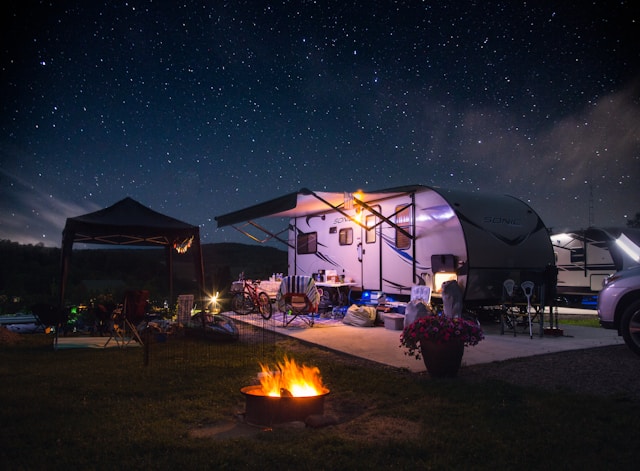
The Reality of Tiny Living with Tiny Humans
Space becomes a major premium when traveling with a young family. Parents often find that hitting the highway requires a complete shift in perspective compared to a traditional house. It is helpful to look into sources such as Ty’s RV life blog to see how others manage daily routines. This website offers real-world glimpses into the highs and lows of mobile family life. Learning from experienced road families makes the transition smoother for beginners.
Adjusting to a downsized lifestyle means learning to cooperate in close quarters. Every member of the family must adapt to sharing a single multi-purpose area. This setup naturally encourages bonding, though it requires conscious boundary setting.
Navigating the Sleep Schedule Shift
Naps are the cornerstone of a peaceful day with a young child. Maintaining a quiet environment inside a fiberglass shell takes strategy. Bright summer days present a major challenge when trying to darken a small bedroom setup. Many families find success by adding heavy blackout curtains to windows to block out sunlight.
A recent article noted that a consistent daily routine helps toddlers feel secure and settled during the trip. Setting specific times for winding down keeps behavioral issues to a minimum. Consistency acts as an anchor when the view outside the window changes every few days.
Sound Management in Small Spaces
When the bedroom sits just feet away from the kitchen, noise travels fast. Parents must find creative solutions to keep the interior quiet during rest hours. White noise machines act as an audio shield to drown out clanking dishes or low conversations.
According to another guide, a reliable sound machine allows parents to stay in the living area while a child naps or during evening movie sessions. This simple piece of technology prevents parents from feeling like prisoners in their own home. It allows adults to have a life after the kids go to bed.
Rethinking the Toy Collection
Traditional toy boxes do not fit into the compact floor plans of a modern trailer. Minimizing possessions is a mandatory step before launching into full-time travel. Parents must evaluate every single item based on size and versatility. Multi-purpose items and outdoor gear usually take priority over massive plastic playsets.
- Rotate toys regularly by keeping a hidden stash in an outside storage bay.
- Choose items that serve multiple educational purposes, like stacking cups or building blocks.
- Focus on lightweight materials that will not add unnecessary weight to the vehicle.
- Encourage nature-based play using items found around the campground.
Limiting the number of toys actually boosts a child’s imagination. Small children learn to invent new games using simple, everyday objects. This minimalist approach reduces clutter and makes daily cleanup much faster for parents.
Creating Dedicated Play Zones
Designating specific storage areas helps children feel a sense of ownership in their home. Some families convert low cabinets or under-bench spaces into accessible zones for youngsters. One mother decided to give up a bottom kitchen drawer to use exclusively as a toy drawer. This simple adaptation keeps items organized and within arm’s reach for little hands.
Having a dedicated spot prevents toys from spreading across the entire living floor. It teaches toddlers responsibility because they know exactly where their items belong. Even a tiny corner can become a personalized play oasis with the right setup.
Outdoor Extensions
The campground itself becomes the primary playroom for road-schooling families. Mud, grass, and gravel pits offer endless sensory exploration that indoor spaces lack. Stepping outside expands the living room by hundreds of square feet.
Nature provides a changing playground that keeps young minds constantly engaged. Kids collect rocks, watch bugs, and climb small hills, which helps build motor skills. This outdoor freedom is a major benefit of the mobile lifestyle.
Adapting to Major Developmental Milestones
Watching a child learn to walk or crawl takes on a new meaning inside a motorhome. The physical constraints change how children interact with their surroundings. Parents must babyproof the interior layout continuously to keep up with new skills.
- Sharp corners on custom woodwork require extra padding to prevent head injuries.
- Screen doors need secure latches to stop adventurous escape artists from tumbling out.
- Interior steps require temporary baby gates to prevent dangerous falls.
- Low appliances need safety locks to keep curious fingers away from buttons.
Navigating these milestones requires constant vigilance from parents. A trailer offers less buffer zone when a toddler loses their balance. Minor modifications keep the environment safe while allowing the child to explore confidently.
Embracing the mobile lifestyle with small children requires patience and structural flexibility. The tight quarters present daily challenges, but the rewards of shared experiences are unmatched. By managing sound, light, and schedules, parents create a nurturing environment anywhere the road leads. A tiny home on wheels offers a front-row seat to a magnificent childhood adventure.











Add Your Comment